Ceiling Repairs Perth | Ceiling Fixers | Gyprock Repair
Water-damaged ceilings can quickly become structural risks if ignored. Common warning signs include:
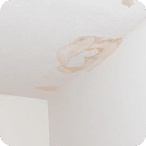
This usually indicates ongoing moisture intrusion from above the plasterboard, often caused by roof leaks, damaged flashing, or plumbing issues that have not yet been resolved.
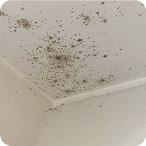
Persistent moisture inside the ceiling cavity creates an environment suitable for mould development, which may affect both indoor air quality and structural materials.
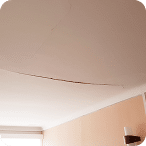
Prolonged exposure to moisture weakens the plasterboard core, reducing its structural strength and increasing the risk of ceiling sections bowing or collapsing.
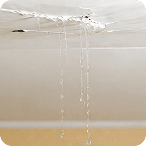
Active dripping during heavy rain often signals roof penetration issues, such as cracked tiles, damaged gutters, or compromised sealing around fixtures.
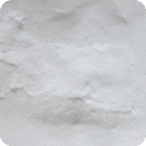
When moisture becomes trapped beneath the surface, it breaks down the bond between paint and plaster, resulting in visible blistering, flaking, or surface deterioration.
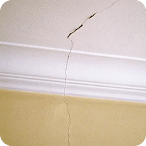
Moisture can weaken joint compounds and structural connections, leading to seam separation, visible cracks, and progressive ceiling movement over time.
We begin by assessing the extent of ceiling damage and identifying the exact source of water entry. Whether caused by storms, roof leaks, or plumbing issues, the root cause is addressed before any repair work begins.
Once the source is confirmed, professional drying equipment is used to eliminate residual moisture within the ceiling cavity. Proper moisture removal prevents mould growth and stops further structural deterioration.
Damaged plasterboard or ceiling sections are repaired or replaced to restore both structural integrity and surface finish. All plaster and drywall repairs are completed efficiently while maintaining workmanship standards.
Before work commences, a detailed quote is provided outlining the scope and cost of repairs. Pricing depends on ceiling material, room size, and severity of damage, and all factors are explained upfront.
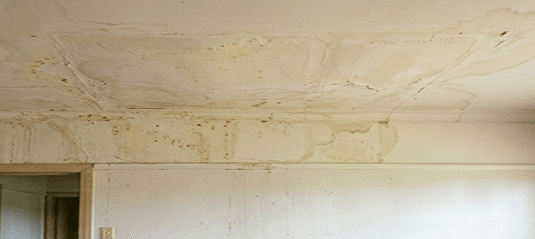
Water-stained ceiling with sagging plaster and visible leak marks.
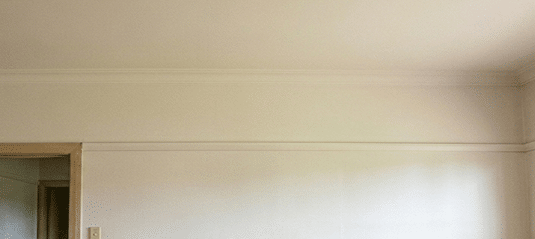
Fully restored ceiling — moisture removed, damaged plaster replaced, seamless repaint finish.
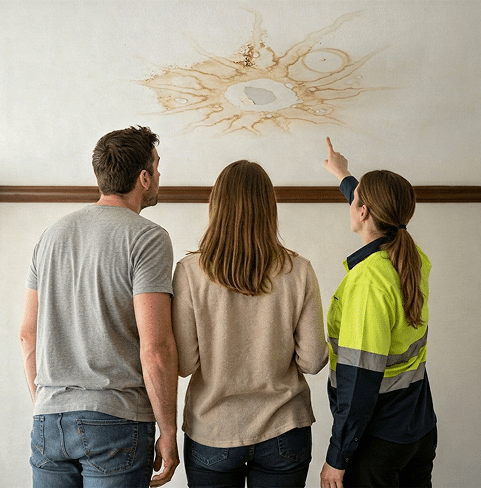





Water damage is commonly caused by roof leaks, broken roof tiles, overflowing gutters, plumbing leaks, or storm-related moisture intrusion. Identifying and fixing the source of the leak is essential before any ceiling repairs can begin.
Ceiling water damage should be repaired as soon as possible. Delaying repairs can lead to mould growth, structural weakening, sagging plasterboard, and potentially dangerous ceiling collapse in severe cases.
It depends on the extent of the damage. Minor water staining may only require targeted repairs, while severely weakened, mould-affected, or sagging sections often need partial or complete ceiling replacement to ensure long-term safety.
Many insurance policies cover ceiling water damage when it results from sudden and unexpected events such as storms, burst pipes, or roof leaks. We can assist with inspection reports and documentation to support your insurance claim process.
Most minor repairs can be completed within 1–2 days. Larger repairs may take longer depending on drying requirements, the extent of structural damage, material replacement needs, and repainting requirements.
No. Repainting without fixing the source of moisture is only a temporary cosmetic solution. The leak must be addressed and the affected area fully dried before repairs and repainting are carried out to prevent recurring stains and mould growth.